This lesson is ready to play. Click the red play button to start.
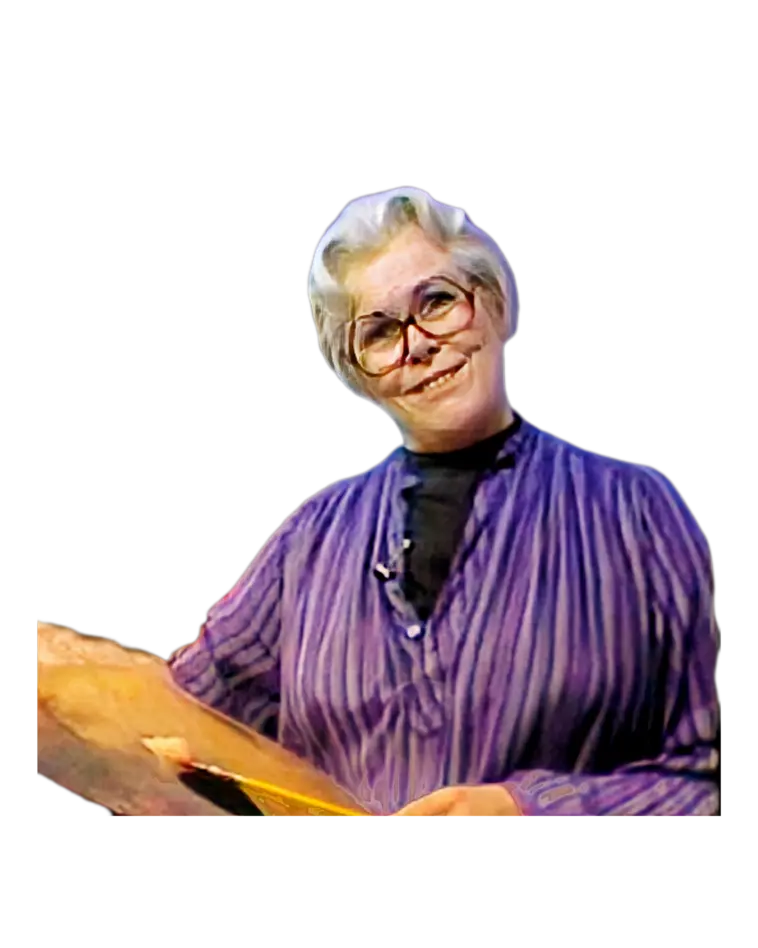
Juxtaposition of Color with Helen Van Wyk
In this engaging painting tutorial, Helen Van Wyk explores the vibrant and expressive world of Impressionist techniques, focusing on the juxtaposition of colors to create a dynamic, light-filled composition. Drawing inspiration from the works of Monet and other Impressionist masters, Helen demonstrates how to use complementary colors, brushstrokes, and contrasts to evoke a sense of movement and life on canvas. Throughout the lesson, Helen emphasizes the importance of experimentation and learning in each painting, reminding us that mistakes can lead to unexpected beauty and insight.
Juxtaposition of color is a technique that involves placing two or more colors side by side to create a dramatic effect. The colors interact with each other, changing how they are perceived by the human eye. This can create visual contrast using color instead of tone values.
When colors are juxtaposed, they can enhance or diminish each other's qualities, leading to increased visual contrast and interest. This effect is particularly powerful because the perceived intensity and brightness of a color can change depending on the colors around it. While tone values (lightness and darkness) also contribute to contrast, using color juxtaposition specifically emphasizes the relationships between hues, allowing for vibrant compositions that can evoke different emotions and responses from viewers.
As Helen paints, she shares her thoughts on the use of light and the emotional power of brushstrokes, all while encouraging viewers to embrace artistic freedom. Whether she's discussing the careful balance between a subject and its surroundings or recounting her experiences with various textures and materials, Helen's passion for teaching and art shines through. This video is perfect for both seasoned artists and beginners eager to deepen their understanding of color and technique.
Lesson Overview
1. Introduction to Impressionist Techniques
Helen introduces the lesson with a focus on the Impressionist style, particularly the juxtaposition of colors. She discusses how artists like Monet used repeated subjects to explore the effects of light and color.
2. Starting the Painting: Experimenting with Color Juxtaposition
Helen begins painting by applying spots of yellow, white, and violet. She experiments with placing complementary colors next to each other to create a vibrating, light-filled effect, demonstrating how contrast impacts the overall composition.
3. Using Brushstrokes to Create Texture and Emotion
Helen emphasizes the importance of brushstrokes in Impressionism, showing how thick application and varied texture can evoke emotion and depth. She encourages freedom in stroke technique, reminding viewers not to be afraid of mistakes.
4. The Role of Complementary Colors
In this section, Helen delves deeper into complementary color theory, using examples of yellow and violet, and blue and orange to illustrate how these combinations create harmony and visual excitement in a painting.
5. Reflecting on Mistakes and Learning Through Experimentation
Helen reassures viewers that mistakes are part of the artistic process. She shares personal insights on how even “wrong” strokes can become part of the painting’s beauty if adjusted to fit the flow of the piece.
6. Defining the Painting with Light and Shadows
Helen works on adding shadows and highlights, showing how to bring form to objects like onions in the composition. She explains how to use lighter tones for shadows in the Impressionist style, staying true to the focus on light rather than dark outlines.
7. Balancing the Composition: Subject vs. Surroundings
Helen explores the balance between the subject of the painting and its background. She talks about how the surroundings enhance the subject's color and why she focuses on painting the environment as much as the subject itself.
8. Final Touches: Adding Contrast and Vibrancy
As the painting nears completion, Helen adds final contrasts and darker tones to create a finished, cohesive piece. She reflects on how each painting has its own journey, with a focus on learning rather than achieving perfection.
9. Closing Thoughts: Art as a Learning Experience
In the final chapter, Helen reflects on her philosophy of painting, encouraging viewers to embrace the process.
00:00 Music and Intro Graphics
01:16 Color Juxtaposition
03:53 Practice Variety in Learning
05:50 https://youtu.be/NP2NJMU6zHQ?t=19
09:09 Advancing the Painting
11:08 Maximilian Rasko
17:00 Pause Here to Answer a Question
18:27 Draw a Drawing vs Paint a Painting
20:06 Quick Brush Strokes to Finish
20:44 Helen's Classy Spontaneity
23:17 Ensure Consistency Throughout
#oilpaintingforbeginners
#oilpaintingteacher
#oilpaintingtechniques
#helenvanwyk